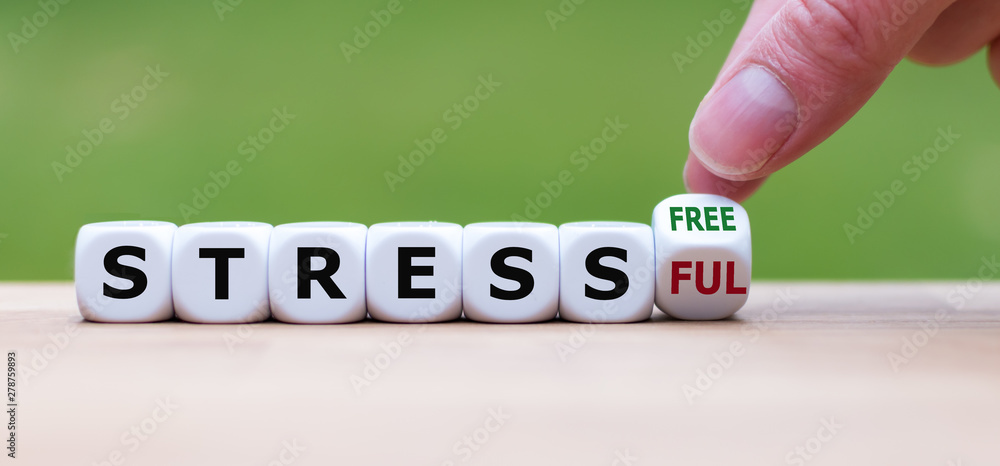
Let’s admit first – stress is a part of life. You’ll find most people in your surroundings are living with constant stress and pressure. At least, I don’t know anyone living a stress-free life.
But a little bit of stress is not bothersome. In fact, stress in small doses can be helpful.
Unfortunately, stress is not so friendly in today’s life. Even though we hate it, it has become our constant companion – whenever we’re working, taking our meals, going on a morning or evening walk and even during our bedtime, it won’t leave us alone.
When we can’t run away from this unwanted companion, it’s better to learn how to reduce stress, how to deal with it so that it won’t harm our physical and mental well-being.
Why Should We Prioritize Stress Management?
Stress is everywhere. But it’s alarming when a study showed –
77% of Indians displayed at least one symptom of stress, with one in every three Indians reportedly struggling with stress and anxiety. Another report revealed that 84% of Indians are living with moderate to severe stress levels.
According to the American Psychological Association, more than 75% of adults report experiencing moderate to high levels of stress.
So, stress is not just a choice or something ‘in our head’. If you can’t minimize the excessive exposure to stress in our daily life, if you know anything about stress management, it will become chronic and lead to several health conditions, including:
- Heart disease
- Depression
- Anxiety disorders
Before your stress levels spiral out of control, it’s high time for you to take charge and prioritize mental health and stress management.
Before I share some tips for managing stress, I want to make you aware of certain factors that often make us vulnerable to stress and anxiety. These are –
- Genetics
- Professional pressure
- Past trauma
- Social support system
- Ability to cope up
- Personality type
- Discrimination – social, socioeconomic status, race, gender or perceived gender, LGBTQIA+ or other factor
Get-Set-Go for Some Physical Activities
Move your body, keep it active. You don’t need to run a marathon. Even a 15-minute brisk walk, a 30-minute walk, or 150 minutes of moderate-intensity exercise can significantly reduce stress.
The motto is – the more you sweat, the more oxytocin the body releases. And research says oxytocin plays a major role in social bonding, trust, and well-being.
Moreover, Physical activity increases endorphins – your brain’s natural stress-fighters.
So, do anything – a walk, some dance moves with a peppy playlist, yoga, Zumba, jogging – do whichever you are comfortable with. But stick to it!
Fuel Yourself Right – Balanced Diet
Ultra-processed foods, added sugar, excessive caffeine, eating more whole foods and even skipping meals lead to poor nourishment, which is likely to increase your resilience to stress.
If you are truly seeking everyday stress relief techniques, be sure to incorporate nutrient-rich, whole foods into your daily diet.
Include food rich in magnesium and vitamins B. Here are some mandatory food options for a healthy living –
- Vegetables
- Fruits
- Fish
- Beans
- Seeds
- Nuts
Start Your Day with Intention, Not Panic
We’ve been hearing this since we were kids that morning shows the day. So, how you begin your day is important to set the tone for the rest.
When you start your day by checking emails, WhatsApp or social media, you are exposed to worldly stress and panic.
Clearly, this is not an ideal way to begin your day.
Instead, set some intentions for the day at the beginning – you have an entire day before you. Strategize how you are going to spend it.
A few minutes of deep breathing, simple exercise, stretching or meditation can make a huge difference.
Love Yourself – Practice Self-Care
As modern life is full of stress, tensions, pressures, and worries, indulging in self-care is no longer a luxury – it’s a necessity.
When we say self-care or self-love, it doesn’t need to be complicated. A simple walk outside or doing your favourite hobby can significantly reduce your stress level or improve your stress management capacity.
Let me share some simple self-care activities that can work wonders for your everyday stress relief.
- Going for a walk outside or in the park
- Listening to your favorite music
- Taking a bath
- Reading a good book
- Lighting an aromatic candle
- Practicing a hobby that you love to do
- Getting a massage
- Practicing yoga
Final Thought
Stress management is not about escaping from all sources that give you stress. Many times, it’s not even an option.
Instead, taking care of your mental health and stress is about building small, daily habits that can lead you to live a resilient, calm and balanced life – even when things are messy.
If you are experiencing chronic stress and none of the above stress reduction techniques helps manage it, talk to a doctor. Sometimes, your body may need vitamins, minerals or other supplements to cope with the world.
Remember, on some days, life can be chaotic, messy and stressful. It happens to all. But you are a human, and you are also a fighter. Just breathe and take control of your calm.